Hypnotherapy for Phobias | Overcome Fear Safely with Hypnosis
How Hypnotherapy Can Help With Phobias and Fears
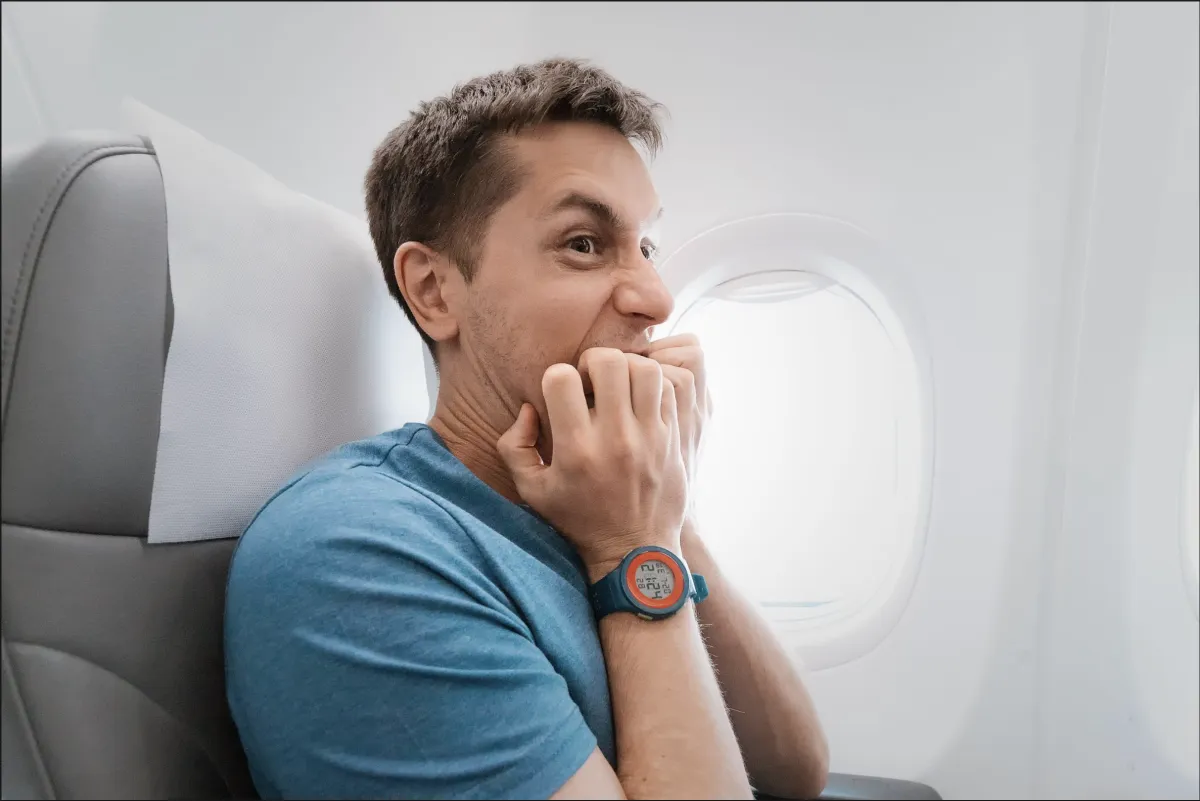
A phobia is not just feeling nervous. It is the heart racing before you even board the plane. It is reorganizing your entire life to avoid certain situations. It is knowing, completely and rationally, that the fear is disproportionate, and being unable to do anything about it.
That last part is what makes phobias so frustrating. The rational mind understands there is no real danger. But the body does not get the message. The panic response fires anyway, instantly and automatically, and no amount of talking yourself out of it seems to help.
This is because phobias do not live in the rational mind. They live in the subconscious, where they were formed, often through a single intense experience or through repeated associations built up over time. And hypnotherapy for phobias works at exactly that level.
Why Reasoning Alone Cannot Overcome a Phobia
The reason phobias are so resistant to logic is that they were never created by logic in the first place.
A phobia is a conditioned fear response stored in the subconscious nervous system. When the brain encountered something it categorized as a threat, whether through direct experience, observation, or even repeated exposure to the idea of the threat, it created a powerful automatic response designed to protect you. The problem is that this protective mechanism got calibrated to the wrong thing, and now it fires in situations where there is no genuine danger.
When you encounter the trigger, whether it is a spider, a needle, an elevator, or the thought of flying, the subconscious alarm system activates before the conscious mind has a chance to intervene. The body floods with adrenaline, the heart rate spikes, the urge to escape becomes overwhelming. And then, when you do escape or avoid the situation, the brain registers this as confirmation that the threat was real and the fear gets reinforced.
This is the avoidance loop that keeps phobias locked in place. Every time you avoid the feared situation, the phobia becomes slightly stronger. And yet facing the feared situation without any support can be genuinely overwhelming.
Hypnotherapy breaks this cycle by working with the subconscious fear response directly rather than simply encouraging exposure without addressing what is driving the fear.
What Is Hypnotherapy and How Does It Work for Phobias?
Clinical hypnotherapy creates a focused, deeply relaxed state of attention in which the subconscious mind becomes more accessible. You remain fully aware and in control throughout. In this state, a skilled hypnotherapist can work with the subconscious associations and conditioned responses that are generating the phobic reaction, rather than only addressing the surface symptoms.
The process is gradual and gentle. It does not involve being forced to confront your fear at full intensity. Instead, it works to reduce the emotional charge attached to the feared object or situation at the subconscious level, so that when you do encounter it in real life, the automatic panic response is significantly diminished or absent.
How Hypnotherapy for Phobias Works in Practice
Reducing the automatic fear response
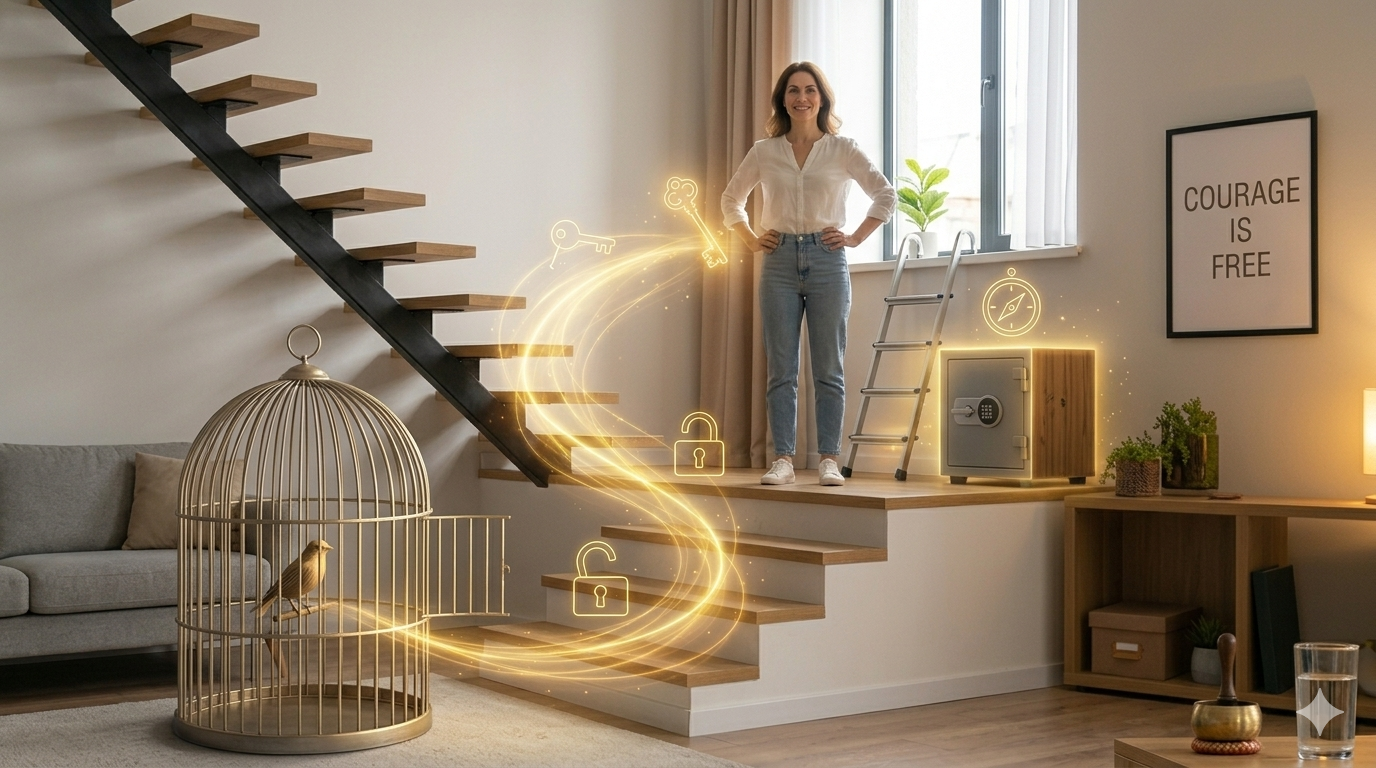
The core of hypnotherapy for phobias is reducing the subconscious emotional charge attached to the trigger. Through specific hypnotic techniques, the association between the feared object or situation and the panic response can be weakened, so that the trigger no longer automatically produces the same intense reaction.
Creating new neural pathways for calm responses
The brain is neuroplastic, meaning it can form new associations and responses throughout life. Hypnotherapy actively supports this process by reinforcing calm, controlled responses to the feared trigger in a safe and supported environment, so that the new response becomes the more automatic one over time.
Working with the original source of the fear
Many phobias can be traced to a specific experience or period in which the fear was formed. Hypnotherapy can help access and reprocess these origins in a way that reduces their ongoing emotional influence, without requiring the person to relive them in a distressing way.
Strengthening confidence and self-efficacy
Beyond reducing the fear response itself, hypnotherapy builds a genuine sense of confidence and internal control around the feared situation. Over time, people move from "I cannot handle this" to a felt sense that they are capable of managing the situation even if some discomfort remains.
Complementing gradual exposure
Hypnotherapy works well alongside structured gradual exposure to the feared stimulus. By reducing the baseline fear response through hypnotherapy first, exposure becomes far more manageable and productive rather than simply overwhelming.
What Does the Research Say About Hypnosis for Phobias?
The evidence base for hypnotherapy in phobia treatment is well established and consistently positive.
A study published in the International Journal of Clinical and Experimental Hypnosis found that hypnotherapy produced significant reductions in phobic responses across multiple fear types, with participants showing measurable decreases in both subjective fear ratings and physiological indicators of anxiety such as heart rate and skin conductance.
Research comparing hypnotherapy to systematic desensitization for specific phobias found that hypnotherapy produced comparable or superior outcomes, particularly for phobias with strong subconscious or emotionally rooted components. The combination of hypnotherapy with behavioral exposure was found to be especially effective.
A meta-analysis examining psychological treatments for specific phobias found that hypnotic augmentation of standard behavioral approaches significantly improved outcomes compared to behavioral approaches alone, suggesting that accessing the subconscious level adds meaningful therapeutic value.
Clinical case studies and controlled research on flying phobia, needle phobia, and social phobia specifically have consistently demonstrated that hypnotherapy reduces avoidance behavior, decreases anticipatory anxiety, and improves the ability to engage with previously feared situations.
Common Phobias Hypnotherapy Can Address
Hypnotherapy is effective across a wide range of specific phobias. Some of the most common include fear of flying, which often involves intense anticipatory anxiety as well as the flight itself. Fear of heights, or acrophobia, which can limit travel, professional situations, and everyday activities. Fear of spiders, insects, or other animals, which affects far more people than is commonly acknowledged. Fear of needles or medical procedures, which can cause people to avoid necessary healthcare. Social phobia and fear of public speaking or performance situations. Fear of enclosed spaces, elevators, tunnels, or any situation where escape feels restricted.
What these share is that the fear response is subconscious and automatic, which is exactly why hypnotherapy is well positioned to address them.
Frequently Asked Questions
How many hypnotherapy sessions does it take to overcome a phobia? Specific phobias often respond faster than more generalized anxiety. Many people experience significant reduction in their phobic response within three to five sessions. More complex phobias with deep emotional roots may benefit from a longer structured programme.
Will I have to be exposed to my fear during hypnotherapy? Not in a direct or overwhelming way. Hypnotherapy works with the feared stimulus in a controlled, gradual way within the safe space of the session. You remain in control of the pace throughout.
Can hypnotherapy cure a phobia completely? Many people experience a complete resolution of their phobic response following hypnotherapy. Others experience a significant reduction that allows them to function normally in previously avoided situations. The outcome depends on the nature of the phobia and the individual.
Is hypnotherapy for phobias suitable for children? Yes. Children often respond very well to hypnotherapy for phobias as they tend to be highly imaginative and responsive to suggestion. Sessions are adapted to be age-appropriate.
What if my phobia developed from a traumatic experience? Hypnotherapy can work effectively with phobias rooted in past experiences. A skilled hypnotherapist will approach this carefully and at a pace that feels safe and manageable rather than forcing confrontation with difficult memories.
How is hypnotherapy different from exposure therapy for phobias? Exposure therapy works by gradually confronting the feared stimulus until the fear response reduces. Hypnotherapy works by addressing the subconscious fear response directly before or alongside exposure. The two approaches are highly complementary and are often most effective when combined.
Final Thoughts: Is Hypnotherapy Worth Trying for a Phobia?
Phobias are not personality traits and they are not permanent. They are conditioned responses stored in the subconscious, and conditioned responses can be reconditioned.
Hypnotherapy for phobias offers a safe, structured, and evidence-informed way to work with the subconscious fear response that is keeping the phobia in place, reduce the automatic panic reaction, and build the internal confidence to re-engage with situations you have been avoiding.
If a phobia has been limiting your life and rational reassurance has not been enough to shift it, the work may simply need to happen at a deeper level than conscious thought can reach.
Khaled offers an initial consultation to explore whether hypnotherapy is the right fit for your situation before committing to a full programme.